Tooth KnowLedge
Do coffee and tea discolor teeth?
14 mins Read
Last Updated :Advertisement
When to Worry
I know it’s easy to stress about every little change in your teeth, but let’s break down exactly when you need to pay attention—and when you can just relax.
When to Chill
- You drink 1-2 cups of coffee or tea a day, and you rinse your mouth with water afterward.
- Your teeth look slightly dull, but not yellow or brown.
- You brush twice a day, floss regularly, and get a professional cleaning every 6 months.
- You add milk to your drinks (to reduce tannin exposure).
If this is you, you’re good. A little bit of staining is normal, and it’s nothing a regular cleaning can’t fix. You don’t need to give up your favorite drinks—just keep doing what you’re doing.
When to Start Paying Attention
- You drink 3+ cups of black coffee or black tea a day, with no rinsing or cleaning.
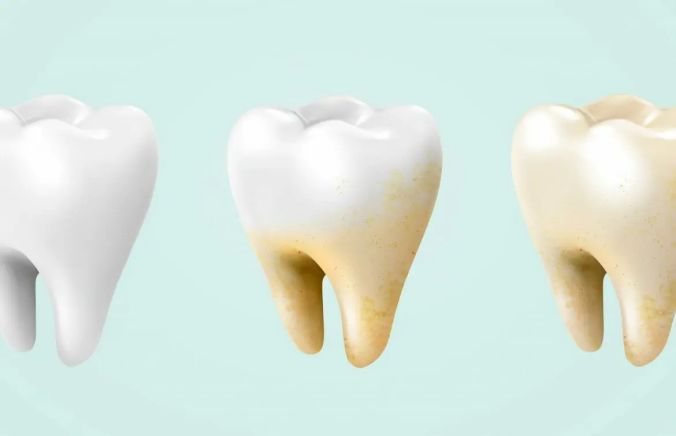
- Your teeth are noticeably yellow, brown, or orange-tinted.
- The stains are visible even when you smile normally.
- You haven’t had a professional cleaning in over a year.
If you notice any of these, it’s time to take a few simple steps to prevent further staining. You don’t need to panic—but you do need to be more intentional about your oral care.
When to See a Dentist
If your stains are really noticeable, or if you’ve tried at-home methods and they’re not going away, it’s a good idea to see your dentist. They can perform a professional cleaning (also called scaling and polishing), which uses special tools to remove built-up stains and plaque. This is the most effective way to get rid of deep coffee and tea stains—and it’s recommended every 6 months anyway, for overall oral health.
Your dentist can also recommend at-home whitening kits or in-office whitening treatments if you want to brighten your smile even more. Just make sure to talk to them before using any over-the-counter whitening products—some can be too harsh and damage your enamel.
How to Prevent Coffee and Tea Stains
The best way to deal with coffee and tea stains is to prevent them in the first place. And the good news? You don’t have to give up your daily cup—you just need to make a few small changes to your routine. These tips are simple, easy to follow, and totally doable even on busy days.
1. Rinse Your Mouth With Water After Drinking
This is the easiest, most effective tip. Right after you finish your coffee or tea, take a sip of water and swish it around in your mouth for 10-15 seconds, then spit it out. This washes away the tannins and acid, preventing them from sticking to your teeth. It takes 2 seconds, and it makes a huge difference over time. I keep a water bottle at my desk specifically for this—after every coffee, I rinse, and my teeth stay way brighter.
2. Use a Straw (Yes, Really)
Using a straw might seem silly for hot drinks, but hear me out. A straw allows the coffee or tea to bypass your front teeth, so the liquid doesn’t come into direct contact with the enamel. This reduces the amount of tannins that stick to your front teeth (the ones people see when you smile). For iced coffee or iced tea, this is a no-brainer—but it works for hot drinks too (just be careful not to burn your tongue!).
Pro tip: Use a reusable straw to be eco-friendly. I have a stainless steel straw that I keep in my bag, and I use it for every coffee or tea I drink out. It’s small, easy to carry, and it really helps.
3. Add Milk or Cream
As we talked about earlier, adding milk or cream to your coffee or tea binds to the tannins, preventing them from sticking to your teeth. It also dilutes the drink, making it less concentrated (and less acidic). You don’t have to add a lot—even a splash of milk can make a difference. If you’re lactose intolerant, oat milk, almond milk, or soy milk work too—they don’t have casein, but they still dilute the drink and reduce staining.
4. Brush and Floss Regularly (But Not Right After Drinking)
Brushing twice a day and flossing once a day is the foundation of good oral care—and it’s key for preventing stains. But remember: wait 30 minutes after drinking coffee or tea to brush, so you don’t damage the weakened enamel. Flossing is especially important because tannins can get stuck between your teeth, where brushing can’t reach. If you floss regularly, you’ll remove those hidden stains and prevent them from building up.
5. Use a Whitening Toothpaste (For Maintenance)
A good whitening toothpaste can help keep surface stains at bay. Look for toothpaste that contains hydrogen peroxide or carbamide peroxide—these are the ingredients that help whiten teeth. But don’t overdo it—using whitening toothpaste every day can be harsh on your enamel. I use it 2-3 times a week, and it helps keep my teeth bright without causing sensitivity.
6. Get Professional Cleanings Every 6 Months
Even if you do everything right, some staining will still happen over time. That’s why professional cleanings are so important. Your dentist can remove built-up stains, plaque, and tartar that brushing and flossing can’t reach. It’s like a deep clean for your teeth, and it keeps your smile bright and healthy. I make sure to go every 6 months, and after each cleaning, my teeth look noticeably whiter—even with my daily coffee habit.
Advertisement
Advertisement
Tips For Getting Free Dental Work
1. Be prepared to provide documentation of your income and place of residence.
Many free dental clinics require patients to provide proof of income and residence in order to qualify for services.
2. Call ahead to schedule an appointment.
Most free dental clinics require patients to make an appointment in advance.