Tooth KnowLedge
Upgraded Electric Toothbrush? Is a Sonic Toothbrush Worth It?
15mins Read
Last Updated :Advertisement
Are Sonic Toothbrushes Really Better Than Regular
As people start paying attention to oral health, the first step is often "getting a more advanced toothbrush." At this point, sonic toothbrushes easily appear on your shopping list. You might also wonder: are they really better than regular toothbrushes, or is it just a gimmick? Today, let's talk about whether sonic toothbrushes can actually help you brush your teeth cleaner.
I. What exactly is a sonic toothbrush? How does it
Let's start with the basics. A sonic toothbrush is still a toothbrush, but it uses high-speed vibrations to clean your teeth. Generally, it can vibrate tens of thousands of times per minute, a frequency much higher than manual brushing.
The biggest difference from a regular toothbrush isn't just "faster vibrations," but that when brushing, it creates a fine flow of water and toothpaste in the mouth. This flow helps clean areas that are usually difficult to reach, such as between teeth and along the gum line.
Simply put, a regular toothbrush is more like "you're brushing hard," while a sonic toothbrush is more like "it's brushing for you." This is why many people find it easier to use, as they don't need to brush as hard to get their teeth clean.
II. Does it really clean better? It's not jus
Many people feel their teeth are smoother and cleaner when they first use a sonic toothbrush. This isn't entirely a placebo effect.
High-frequency vibrations can indeed more effectively break down plaque. Plaque is the main culprit behind cavities and gum problems. If not cleaned properly, it will eventually turn into tartar and even cause bleeding gums.
The advantage of a sonic toothbrush is that it not only relies on the bristles to contact the teeth but also uses the micro-water flow generated by the vibrations to remove dirt from hard-to-reach areas. Therefore, it does have a certain improvement in cleaning power.
Of course, this doesn't mean you can just brush haphazardly. If you brush for too short a time or use the wrong technique, even the best toothbrush won't help much.
III. Gentler on gums? Many people overlook this po
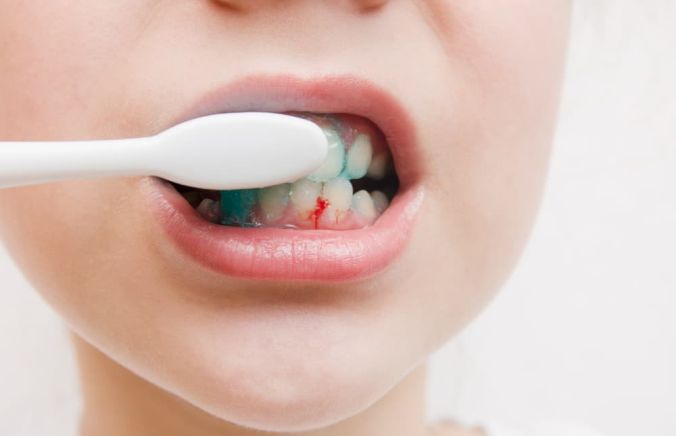
Some people experience bleeding gums when brushing, especially with a regular toothbrush, as applying too much pressure can easily damage the gums. Over time, this is not good for oral health.
A significant advantage of sonic toothbrushes is that they don't require much force. You simply place the brush head gently against your teeth and let it vibrate to clean.
This reduces irritation to the gums considerably. If you have sensitive gums or mild gingivitis, a sonic toothbrush will usually be more comfortable.
However, it's important to note that if you have serious gum problems, such as persistent bleeding or pain, it's recommended to see a dentist first, rather than simply changing your toothbrush.
IV. Can it whiten teeth? Don't have too high
Many people buy sonic toothbrushes with the expectation that they can also whiten their teeth.
Frankly speaking, it can help remove some surface stains, such as shallow stains left by coffee, tea, and smoking. Because it cleans more thoroughly, teeth may appear slightly brighter.
However, if you have deeply yellow teeth, or your teeth are naturally yellowish, a sonic toothbrush won't "whiten" them. It's not a whitening product, just a cleaning tool.
So, you can understand it as: it can help you maintain cleanliness, but it cannot replace professional whitening treatments.
Advertisement
Advertisement
Tips For Getting Free Dental Work
1. Be prepared to provide documentation of your income and place of residence.
Many free dental clinics require patients to provide proof of income and residence in order to qualify for services.
2. Call ahead to schedule an appointment.
Most free dental clinics require patients to make an appointment in advance.