Tooth KnowLedge
Do wisdom teeth always need to be extracted? When should they be treated?
16mins Read
Last Updated :Advertisement
When do wisdom teeth actually need to be extracted?
Okay, so we know not all wisdom teeth need to be pulled. But when do they? Let’s go over the red flags—these are the signs that it’s time to talk to your dentist about extraction. If you’re experiencing any of these, don’t wait—addressing it early can save you a lot of pain and trouble later.
First and foremost: pain. If your wisdom tooth area is sore, throbbing, or aching, that’s a big sign something’s wrong. The pain might be constant, or it might come and go—either way, it’s not normal. The pain could be from the tooth pushing against the tooth next to it, from gum inflammation, or from an infection. If you’re taking pain meds and the pain still won’t go away, it’s time to get it checked out.
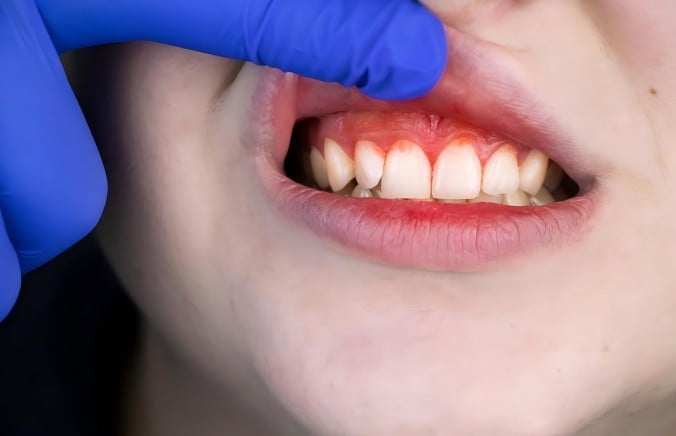
Second: swelling or redness in the gums. If the gum around your wisdom tooth is red, puffy, or feels warm to the touch, that’s probably inflammation or an infection. Sometimes, the gum might even bleed when you brush or floss. This is called pericoronitis—a common issue with partially erupted wisdom teeth, where food and bacteria get trapped under the gum flap and cause an infection. If this happens once, it might go away with antibiotics, but if it keeps coming back? Extraction is usually the best bet.
Third: impacted wisdom teeth. This is the big one. An impacted wisdom tooth is one that gets stuck under the gum or in the jawbone and can’t grow in properly. It might be partially erupted (only part of the tooth is visible) or fully impacted (completely under the gum). Impacted teeth can cause all kinds of problems: pain, infection, cysts (fluid-filled sacs that can damage the jawbone), and even damage to the tooth next to it. If your X-ray shows an impacted wisdom tooth, your dentist will probably recommend pulling it—even if it’s not causing pain yet. Why? Because it’s only a matter of time before it does, and removing it early is easier and less painful.
Fourth: cavities or gum disease. Like I mentioned earlier, wisdom teeth are hard to clean, so they’re more likely to get cavities. If your wisdom tooth has a cavity that’s too big to fill (or if it’s so far back that filling it is impossible), extraction is the way to go. The same goes for gum disease—if the gums around the wisdom tooth are receding or infected, and it’s not getting better with treatment, pulling the tooth can prevent the disease from spreading to other teeth.
Fifth: they’re causing damage to adjacent teeth. If your wisdom tooth is pushing against the molar next to it, it can cause that tooth to get crowded, develop a cavity, or even crack. I’ve seen patients who ignored their wisdom teeth and ended up losing the tooth next to it because of the pressure. That’s a nightmare—losing a healthy tooth because of an problematic wisdom tooth. So if your dentist says your wisdom tooth is damaging the tooth next to it, don’t hesitate to get it pulled.
And one more: if you’re getting braces. If you’re about to start orthodontic treatment, your orthodontist might recommend pulling your wisdom teeth to make sure there’s enough space for your other teeth to shift into place. Even if your wisdom teeth aren’t causing problems now, they could push your teeth out of alignment after your braces come off. Better to get them out before you start braces than to have to deal with it later.
Advertisement
Advertisement
Tips For Getting Free Dental Work
1. Be prepared to provide documentation of your income and place of residence.
Many free dental clinics require patients to provide proof of income and residence in order to qualify for services.
2. Call ahead to schedule an appointment.
Most free dental clinics require patients to make an appointment in advance.