Tooth KnowLedge
Do wisdom teeth always need to be extracted? When should they be treated?
16mins Read
Last Updated :Advertisement
What to expect if you do need wisdom teeth extraction
I know the thought of getting wisdom teeth pulled is scary, so let’s walk through what to expect—step by step—so you can feel prepared. Trust me, millions of people get this done every year, and most of them say it was way better than they expected.
First, your dentist will take X-rays to see exactly where your wisdom teeth are, how they’re positioned, and whether they’re impacted. They’ll then talk to you about the procedure: whether you’ll get local anesthesia (numbing the area so you don’t feel pain), sedation (to help you relax), or general anesthesia (where you’re asleep). Most people get local anesthesia for simple extractions—you’ll be awake, but you won’t feel a thing. If you’re anxious, your dentist can give you sedation to help you feel calm.
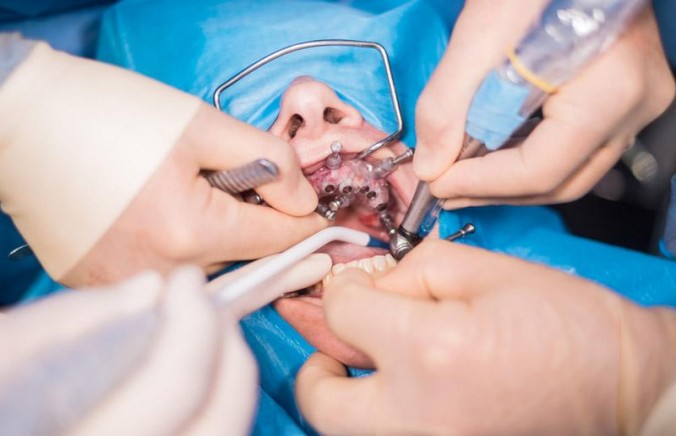
The procedure itself is quick—usually 15-30 minutes per tooth. For simple extractions (where the tooth is fully erupted), the dentist will use a tool to loosen the tooth and pull it out. For impacted teeth, they might need to make a small cut in the gum to access the tooth, and sometimes they’ll break the tooth into smaller pieces to make it easier to remove. It sounds scary, but you won’t feel any pain—just pressure.
After the extraction, your dentist will place gauze in the socket to help stop the bleeding. They’ll give you instructions for recovery: bite down on the gauze for 30-45 minutes, avoid drinking through a straw (it can dislodge the blood clot), eat soft foods (soup, mashed potatoes, yogurt) for the first few days, and take pain meds as needed. You’ll also need to avoid smoking, drinking alcohol, and brushing the extraction site for the first 24 hours.
Recovery usually takes 3-7 days. You’ll have some swelling and soreness, especially around the jaw and cheeks—using an ice pack on the outside of your cheek can help with that. You might also have some bruising, which is normal and will go away in a week or so. Most people can go back to work or school after 1-2 days, but if you have a more complex extraction, you might need to take a few more days off.
The most common complication is dry socket, which happens when the blood clot in the extraction site falls out. It’s painful, but it’s treatable—your dentist will clean the socket and place a medicated dressing to help it heal. To avoid dry socket, just follow your dentist’s instructions: don’t use a straw, don’t smoke, and don’t rinse your mouth too hard.
And here’s a little pro tip: stock up on soft foods before the procedure. Trust me, you won’t feel like cooking after getting your wisdom teeth pulled. Think mashed potatoes, applesauce, smoothies, soup, and pudding. Avoid anything hard, crunchy, or sticky—those can get stuck in the extraction site and cause problems.
Trust your dentist, but don’t be afraid to ask questions
At the end of the day, the question “Do wisdom teeth always need to be extracted?” has a simple answer: no. But “When should they be treated?” is a little more complicated—it depends on your individual situation. The best person to answer that question is your dentist or orthodontist. They’ll take X-rays, examine your mouth, and tell you whether your wisdom teeth are fine, need to be monitored, or should be extracted.
But here’s the thing: don’t be afraid to ask questions. If your dentist recommends extraction, ask why. Ask what will happen if you don’t get them pulled. Ask about the procedure, the recovery, and the cost. A good dentist will take the time to explain everything to you and make sure you feel comfortable. Don’t let fear or misinformation stop you from getting the treatment you need—ignoring a problematic wisdom tooth can lead to more pain, infection, and expensive dental work later.
And remember: getting wisdom teeth pulled is a common procedure. You’re not alone, and it’s not as bad as you think. Most people look back and wonder why they were so nervous—because the recovery is quick, and the relief from pain is worth it.
If you’re still unsure, schedule a consultation with an oral surgeon (they specialize in wisdom tooth extractions). They can give you a second opinion and walk you through all your options. Whether you need to get them pulled or not, the most important thing is to take care of your oral health—brush, floss, and get regular check-ups. Your teeth (and your future self) will thank you.
One last thought: don’t put off going to the dentist because you’re scared of what they’ll say. If you’re having pain or swelling, or if you’re just curious about your wisdom teeth, make an appointment. It’s better to know what’s going on than to worry about it. And who knows? You might be one of the lucky ones who gets to keep their wisdom teeth forever.
So, to wrap it up: Wisdom teeth don’t always need to be extracted—only if they’re causing problems or are likely to cause problems. The best time to treat them is when you’re young (17-25) for easier recovery. And if you do need to get them pulled, don’t stress—it’s a quick procedure, and you’ll be back to eating your favorite foods in no time. Trust your dentist, ask questions, and take care of your smile. That’s all you need to do.
Advertisement
Advertisement
Tips For Getting Free Dental Work
1. Be prepared to provide documentation of your income and place of residence.
Many free dental clinics require patients to provide proof of income and residence in order to qualify for services.
2. Call ahead to schedule an appointment.
Most free dental clinics require patients to make an appointment in advance.