Oral health
More Than Just Brushing: The Most Easily Overlooked Details in Oral Care for the Elderly
20mins Read
Last Updated :Advertisement
V. Neglecting the Link Between Oral and Systemic Health
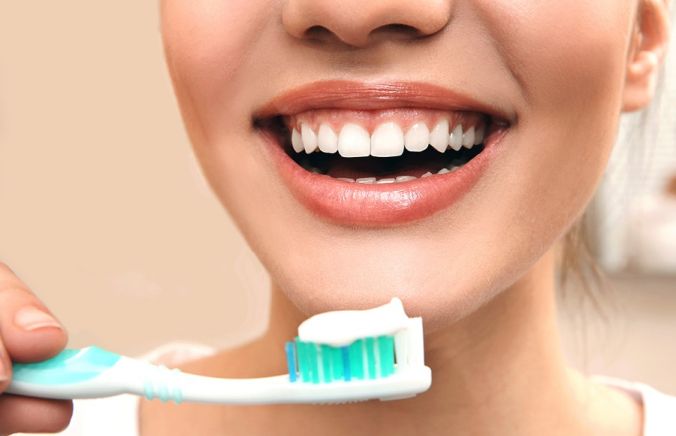
Another frequently overlooked aspect is the intrinsic connection between oral health and overall systemic health. Many people tend to view dental issues as isolated, localized problems; in truth, however, they are intimately linked to the body's general physical condition. For instance, certain chronic diseases can adversely affect the oral environment, while bacterial issues within the mouth can, in turn, negatively impact one's physical health. Consequently, one must avoid focusing solely on localized symptoms while neglecting the broader systemic context. Additionally, a common misconception regarding daily oral hygiene is the belief that "the harder you brush, the cleaner your teeth become"—when, in fact, the exact opposite is true. Brushing with excessive force does not enhance cleaning efficacy; instead, it risks damaging the gums and eroding the tooth enamel—a practice that, over the long term, proves counterproductive. The truly effective approach involves gentle, meticulous, and consistent care—a method that simultaneously protects the teeth and ensures thorough cleaning.
VI. Ensuring Thoroughness in Daily Oral Care
Broadly speaking, oral care for the elderly entails far more than the simple act of "brushing teeth daily"; rather, it is a comprehensive, systematic undertaking that requires attention to a multitude of specific details. From proper brushing techniques and denture hygiene to dietary habits, regular dental check-ups, and a heightened sensitivity to early warning signs—every single step plays a role in determining one's ultimate oral health status. Many seemingly trivial habits, if consistently overlooked over time, can gradually accumulate into significant dental problems. Rather than waiting for issues to manifest before attempting to resolve them, it is far more prudent to prioritize preventive measures in one's daily routine, paying close attention to each of these easily overlooked details. By doing so, one not only provides better protection for one's teeth but also ensures that eating remains effortless and daily life remains comfortable—for oral health is, in essence, one of the fundamental pillars supporting a high quality of life in one's later years.
Advertisement
Advertisement
Tips For Getting Free Dental Work
1. Be prepared to provide documentation of your income and place of residence.
Many free dental clinics require patients to provide proof of income and residence in order to qualify for services.
2. Call ahead to schedule an appointment.
Most free dental clinics require patients to make an appointment in advance.