Tooth KnowLedge
Losing a Tooth: Neglecting to Get It Done Will Lead to Dental Problems
15mins Read
Last Updated :Advertisement
V. Changes in facial shape: Looking older
Many people only notice this after comparing photos.
Teeth are not only tools for chewing, but also "support facial structure." When teeth are missing, especially multiple teeth, facial support decreases, potentially leading to:
drooping corners of the mouth
Deepening nasolabial folds
Sunken cheeks
The overall impression is one of "weariness" or "significantly aged." This is related to bone loss and reduced muscle support.
VI. Increased burden on other teeth, causing a "chain reaction" of problems
Many people think it's just missing a tooth, but in reality, the entire oral cavity is a system.
When a tooth is missing, other teeth are forced to "share the workload," which over time:
Increased tooth wear
Increased tooth sensitivity
May even lead to loose teeth
Like a team missing a member, everyone else has to do more, and over time, overall efficiency and health decline.
VII. Increased difficulty in oral hygiene, making problems easier to accumulate
Once teeth shift or become misaligned, more "blind spots" appear.
These areas are prone to:
Food getting stuck
Unreachable by brushing
Bacteria growth
Over time, problems such as cavities, gingivitis, and bad breath become more likely to occur. Some people find that despite brushing their teeth diligently, oral health problems actually increase. The root cause might be untreated missing teeth.
VIII. Psychological Impact: Fewer Smiles, Decreased Confidence
While this isn't a "medical problem," the impact is quite real.
Especially for those with missing front teeth, many unconsciously:
Afraid to laugh out loud
Intentionally covering their mouth in photos
Reduce the range of their mouth when speaking
Over time, this can even affect social confidence. This change happens gradually, perhaps without them even noticing, but it significantly impacts their quality of life.
IX. The Longer You Delay, the More Complex the Treatment
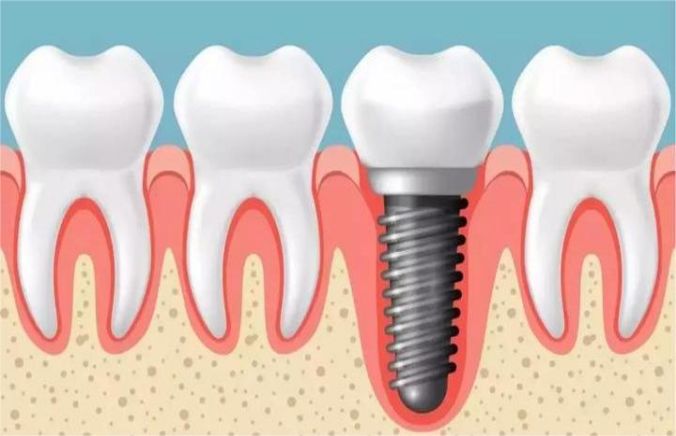
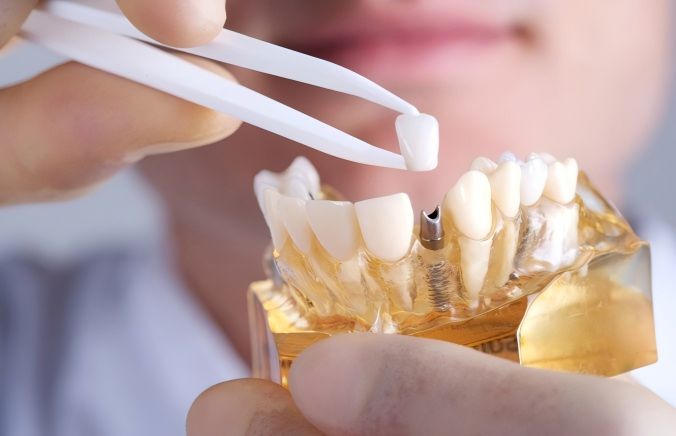
The longer you wait, the higher the cost of remedial treatment. When a tooth is first missing, simple restorations like dentures, fixed bridges, or implants might be needed. But if you delay for several years:
The tooth may have shifted, requiring orthodontic treatment first
Insufficient bone, requiring bone grafting
Periodontal condition may worsen, requiring treatment first
What was originally a simple matter becomes a multi-step process, not only taking longer but also significantly increasing the cost.
Losing a tooth may seem like just "missing a tooth" in the short term, but in the long run, it's a problem that will only escalate. It won't get better on its own; it will only gradually trigger more chain reactions.
If you already have a missing tooth, don't be too anxious, but it's recommended to learn about suitable restoration methods as soon as possible. Modern dental technology is quite advanced; the key is not to delay.
In short: losing a tooth isn't just about losing one; it's about "changing" your entire oral cavity. The earlier you address it, the less trouble you'll have.
Advertisement
Advertisement
Tips For Getting Free Dental Work
1. Be prepared to provide documentation of your income and place of residence.
Many free dental clinics require patients to provide proof of income and residence in order to qualify for services.
2. Call ahead to schedule an appointment.
Most free dental clinics require patients to make an appointment in advance.