
Tooth KnowLedge
Can diabetics get dental implants?
16mins Read
Last Updated :Advertisement
The Key to Success: Glycemic Control and Eligibility Criteria
The single most important factor determining whether a diabetic can get dental implants is glycemic control. Research consistently shows that diabetics with well-managed blood sugar levels have implant success rates nearly identical to non-diabetics. A systematic review found that diabetics with HbA1c levels below 8% have one-year implant survival rates of 96.1% to 97.3%, and five-year survival rates of 87.3% to 96.1%— comparable to non-diabetics. HbA1c, a measure of average blood sugar over the past 2-3 months, is the gold standard for assessing long-term glycemic control, and most dentists recommend maintaining an HbA1c of 7% or lower for optimal implant success, with a maximum acceptable range of 7% to 8.5%.
Beyond glycemic control, several other eligibility criteria determine whether a diabetic is a good candidate for dental implants:
1. Absence of Severe Complications: Diabetics with advanced microvascular or macrovascular complications— such as kidney disease, heart disease, or peripheral neuropathy— may face higher surgical risks, as these conditions further impair healing and increase infection risk. Dentists will work with the patient’s endocrinologist to assess overall health and determine if surgery is safe.
2. Adequate Jawbone Density: As diabetes accelerates bone loss, some diabetics may not have enough jawbone to support an implant. However, bone grafting— a procedure that uses natural or synthetic bone to build up the jaw— can make implants possible for many of these patients. A 2024 study found that bone grafting combined with strict glycemic control results in high implant success rates for diabetics with insufficient bone density.
3. Good Oral Hygiene: Diabetics are more prone to plaque buildup and gum disease, so maintaining excellent oral hygiene is critical before and after implant surgery. Patients must commit to daily brushing, flossing, and regular professional cleanings to prevent peri-implantitis.
4. Non-Smoking: Smoking is a major risk factor for implant failure in all patients, but especially in diabetics. Smoking reduces blood flow to the gums, impairs healing, and increases the risk of infection. Dentists typically recommend quitting smoking at least 2-3 months before surgery and remaining smoke-free afterward to maximize success.
5. Willingness to Collaborate: Implant success for diabetics requires interdisciplinary care— close collaboration between the dentist, oral surgeon, and endocrinologist to monitor glycemic control, manage medications, and address any complications. Patients must be willing to follow their care team’s recommendations for diet, exercise, and medication adherence.
The Dental Implant Process for Diabetics: What to Expect
Advertisement
Tips For Getting Free Dental Work
1. Be prepared to provide documentation of your income and place of residence.
Many free dental clinics require patients to provide proof of income and residence in order to qualify for services.
2. Call ahead to schedule an appointment.
Most free dental clinics require patients to make an appointment in advance.
Dental Articles
-

-
Tooth KnowLedge
8 mins Read - The troubles of wisdom teeth: Should they be removed? How to choose?
-
-
-
Tooth KnowLedge
5 mins Read - What are wisdom teeth?
-
-

-
Oral health
10min Read - Four foods that are good for your oral health!
-
-
-
Dental insurance
15mins Read - Do You Have to Pay Out of Pocket for Dental Care in India? The Reality of Health Insurance and Dental Reimbursement
-
-

-
Dental insurance
8 mins Read - How to save a lot of money with dental insurance?
-
-
-
Oral health
10min Read - Do you know what a dental flosser is?
-
-
-
Tooth KnowLedge
10 mins Read - Do you know these 5 dental facts?
-
-
-
Tooth KnowLedge
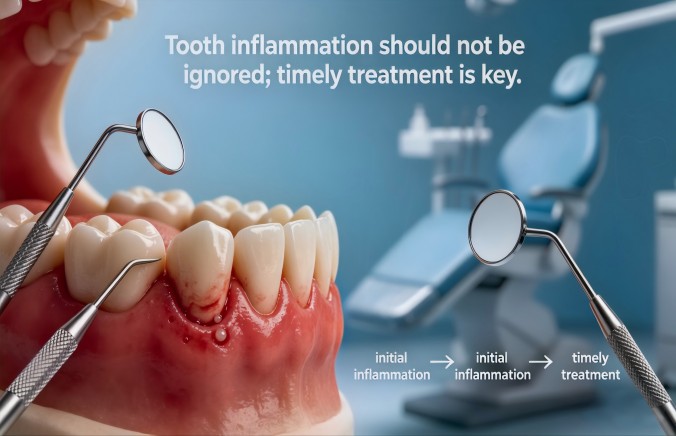
15mins Read - Tooth inflammation should not be ignored; timely treatment is key.
-
-
-
Oral health
15mins Read - Are Your Gums Affecting Your Heart? The Often-Overlooked Connection Between Oral and Cardiac Health
-