Tooth KnowLedge
What should people who wear dentures pay attention to in their daily care?
16mins Read
Last Updated :Advertisement
Regular Dental Check-Ups: Essential for Denture Wearers
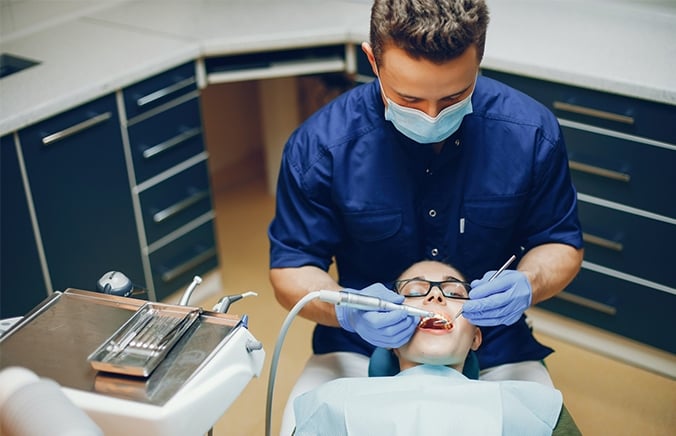
Many denture wearers make the mistake of skipping dental check-ups, assuming that since they don’t have natural teeth, they don’t need to see a dentist. This couldn’t be further from the truth—regular dental visits are just as important for denture wearers as they are for people with natural teeth. Your dentist can check the fit of your dentures, identify any issues early, and provide professional cleaning to remove stubborn stains and bacteria that daily cleaning might miss.
It’s recommended to see your dentist every 6 months for a check-up. During these visits, your dentist will examine your dentures for signs of wear, damage, or warping, and adjust them if needed to ensure a proper fit. They will also check your oral tissues for signs of infection, inflammation, or bone loss, and provide advice on improving your daily care routine. If your dentures are loose or uncomfortable, your dentist may recommend relining (adding a new layer of acrylic to the base) or rebasing (replacing the entire base) to restore a proper fit. Over time, jawbone atrophy and gum changes can cause dentures to become loose, which can lead to discomfort, difficulty chewing, and even speech problems—regular check-ups help address these issues before they become more serious.
Additionally, if you experience any problems with your dentures between check-ups—such as cracks, chips, loose fit, or gum irritation—contact your dentist immediately. Ignoring these issues can lead to more damage, pain, or infection. For example, a cracked denture can irritate your gums and cause sores, while loose dentures can make it difficult to eat or speak and increase the risk of aspiration (choking on food particles).
Handling and Maintenance: Extending the Life of Your Dentures
Dentures are delicate, and proper handling is key to extending their lifespan. When removing or inserting your dentures, always do so over a soft surface (like a towel or a basin of water) to prevent them from falling and breaking. Dentures can be slippery when wet, so hold them firmly but gently to avoid dropping them. Never bend or twist your dentures, as this can warp the acrylic or break the metal components.
Over time, dentures will naturally wear down and may need to be replaced—most dentures last 5–7 years with proper care. However, there are steps you can take to extend their life: avoid using harsh cleaners, store them properly, handle them with care, and attend regular dental check-ups. If your dentures become discolored, your dentist can provide professional whitening to restore their appearance—avoid using over-the-counter whitening products, which can damage the denture material.
If your dentures develop a crack or chip, do not attempt to repair them yourself with glue or other household products. These products are not designed for dentures and can be toxic if ingested, and they may further damage the appliance. Instead, contact your dentist immediately for professional repairs. Similarly, if your dentures feel loose, do not try to adjust them yourself—this can cause more damage and may lead to improper fit, which can irritate your gums.
Advertisement
Advertisement
Tips For Getting Free Dental Work
1. Be prepared to provide documentation of your income and place of residence.
Many free dental clinics require patients to provide proof of income and residence in order to qualify for services.
2. Call ahead to schedule an appointment.
Most free dental clinics require patients to make an appointment in advance.