Tooth KnowLedge
Poor oral hygiene can directly affect the lifespan of dental implants!
16mins Read
Last Updated :Advertisement
Peri-Implantitis: The Silent Killer of Dental Implants
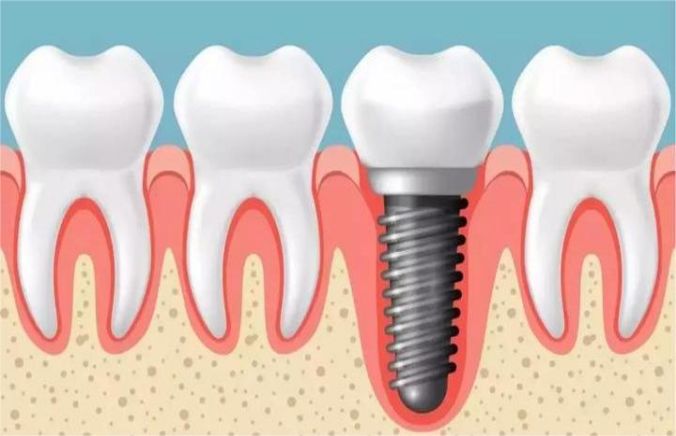
If peri-implant mucositis is the warning sign, peri-implantitis is the crisis. This severe, irreversible condition occurs when inflammation from poor oral hygiene spreads beyond the soft tissue and into the jawbone, causing bone loss around the implant. Unlike mucositis, peri-implantitis cannot be fully reversed—once bone is lost, it cannot be naturally regrown, and the damage to the implant’s stability is permanent. Left untreated, it will eventually lead to implant loosening and failure, requiring costly and invasive revision surgery or implant removal.
The prevalence of peri-implantitis is alarming: the PMC systematic review found that 21% of implant patients have the condition, with a 22% incidence rate within 20 years of implant placement. Another study published in PMC noted that peri-implantitis affects approximately 12.5% of implants and 19.5% of patients, with the risk increasing significantly after 5 years of implant function. For patients with poor oral hygiene, the risk is even higher: a 2024 scoping review in PMC found that peri-implantitis is the most frequently cited biological cause of implant failure, with poor plaque control as a key contributing factor.
The progression of peri-implantitis is insidious. In the early stages, symptoms may be mild: persistent redness, bleeding, and a small amount of pus around the implant. As bone loss progresses, patients may notice the implant feels loose, experience pain when chewing, or notice a gap between the implant crown and the gums. By the time these symptoms become severe, significant bone loss has already occurred. A 2025 study in Dentistry found that peri-implantitis prevalence increases to 5.8–16.9% of implants after 10 years of function, with patients who neglect oral hygiene facing the highest risk. The tragedy is that this condition is almost entirely preventable—with consistent, proper oral hygiene.
How Poor Oral Hygiene Destroys Implant Stability
To fully appreciate the danger of poor oral hygiene, it’s important to understand the science behind how it damages implants. The key lies in the implant’s relationship with the jawbone: osseointegration relies on a healthy, stable environment where bone cells (osteoblasts) continuously regenerate and maintain the bone around the implant. When plaque and tartar accumulate around the implant, the bacteria in them produce toxins that disrupt this balance.
First, the toxins irritate the peri-implant mucosa, triggering chronic inflammation. This inflammation disrupts the blood flow to the area, depriving bone cells of the oxygen and nutrients they need to survive. Over time, this leads to a shift in bone metabolism: the body’s bone-resorbing cells (osteoclasts) become more active, while bone-forming cells (osteoblasts) become less active. This imbalance causes the jawbone to break down faster than it can regenerate, leading to progressive bone loss. A 2025 study in PMC explains that the peri-implant soft tissue seal is more permeable to bacterial colonization than the gingival attachment around natural teeth, making implants even more vulnerable to bacterial damage.
Additionally, poor oral hygiene leads to the formation of tartar (calculus) around the implant. Tartar is hardened plaque that cannot be removed by brushing or flossing alone; it can only be removed by a dental professional. Tartar acts as a “bacterial reservoir,” providing a surface for more bacteria to grow and releasing more toxins into the surrounding tissue. This creates a cycle of inflammation and bone loss that accelerates over time. A 2024 study in PMC found that residual plaque and tartar are major irritants that contribute to peri-implantitis, even in patients with otherwise healthy systemic conditions. For implant patients, this means that even occasional neglect of oral hygiene can have long-term consequences.
Advertisement
Advertisement
Tips For Getting Free Dental Work
1. Be prepared to provide documentation of your income and place of residence.
Many free dental clinics require patients to provide proof of income and residence in order to qualify for services.
2. Call ahead to schedule an appointment.
Most free dental clinics require patients to make an appointment in advance.