Tooth KnowLedge
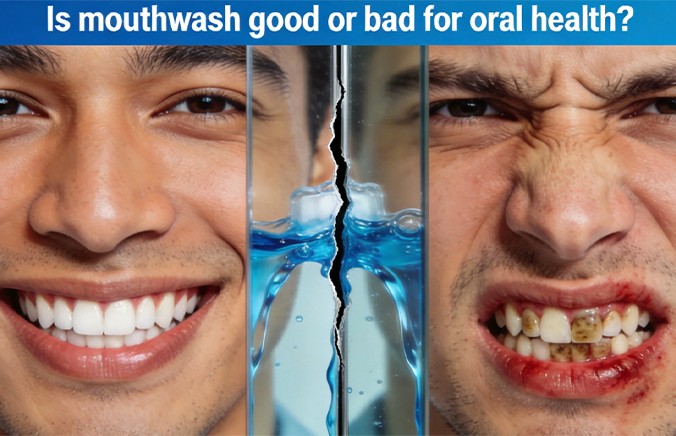
Is mouthwash good or bad for oral health?
16mins Read
Last Updated :Advertisement
Mouthwash Around the World: Cultural Differences and Access
While mouthwash is widely available in high-income countries, access varies significantly across the globe. In low- and middle-income countries, mouthwash is often considered a luxury, and many people rely on traditional oral hygiene practices instead. For example, in parts of India, people use neem twigs or oil pulling to clean their mouths, while in some African countries, saltwater rinses are a common alternative to mouthwash. These traditional practices can provide some benefits—saltwater, for example, has mild antiseptic properties—but they are not a substitute for therapeutic mouthwash when needed (e.g., for cavity prevention or gum disease).
Cultural attitudes toward mouthwash also vary. In some cultures, fresh breath is highly valued, leading to widespread use of cosmetic mouthwashes, while in others, oral hygiene focuses primarily on brushing and flossing. Additionally, misconceptions about mouthwash are more common in areas with limited oral health education. For example, in some regions, people believe that mouthwash can replace brushing, leading to poor oral health outcomes. Global organizations like the WHO and FDI are working to address these gaps, providing education and access to affordable therapeutic mouthwashes in low-income countries, with a focus on fluoride rinses for cavity prevention.
Advertisement
Advertisement
Tips For Getting Free Dental Work
1. Be prepared to provide documentation of your income and place of residence.
Many free dental clinics require patients to provide proof of income and residence in order to qualify for services.
2. Call ahead to schedule an appointment.
Most free dental clinics require patients to make an appointment in advance.