Tooth KnowLedge
What health risks should elderly people be particularly aware of when getting dental implants?
16mins Read
Last Updated :Advertisement
Key Risk 4: Postoperative Infection and Delayed Healing
Elderly patients are significantly more vulnerable to post-surgical infection and delayed healing—two interconnected risks that can lead to implant failure and systemic complications. Aging weakens the immune system, reducing the body’s ability to fight off bacteria that enter the surgical site. Additionally, seniors often have reduced blood flow to the oral tissues, which slows the delivery of oxygen and nutrients needed for healing. A 2025 study in PMC found that elderly implant patients have a 22.78% infection rate, compared to just 4.99% in younger patients.
Post-surgical infection can range from mild gum inflammation (peri-implant mucositis) to severe bone infection (peri-implantitis), which can destroy the jawbone and cause implant failure. Symptoms include red, swollen gums, bleeding, pus, fever, and pain. For elderly patients, these infections can quickly escalate into systemic issues, such as sepsis—especially in those with weakened immune systems or diabetes. A 2024 case report in the Journal of Geriatric Dentistry described an 82-year-old woman who developed sepsis after a post-implant infection, requiring hospitalization and intravenous antibiotics. The infection was traced to poor oral hygiene and delayed follow-up care, which is common among seniors who may have difficulty with daily oral care due to mobility or cognitive issues.
Delayed healing is another common issue for elderly patients. While younger patients typically achieve osseointegration in 3–6 months, seniors may require 6–12 months or longer. A 2026 clinical guide notes that age-related changes in cell function slow the growth of bone-forming cells, prolonging the healing process. This extended healing time increases the risk of infection, implant loosening, and patient non-compliance—many seniors grow frustrated with the long recovery period and abandon their oral care routine.
Smoking further exacerbates these risks. A 2025 study in PMC found that elderly smokers have a 36.6% incidence of peri-implantitis, compared to 18.8% in non-smoking seniors. Smoking restricts blood flow to the jawbone, slows healing, and weakens the immune system—creating a perfect environment for infection. For elderly smokers, dental professionals often recommend quitting at least 4 weeks before surgery and avoiding smoking for 3 months after to improve healing outcomes.
Key Risk 5: Cognitive and Mobility Challenges Affecting Postoperative Care
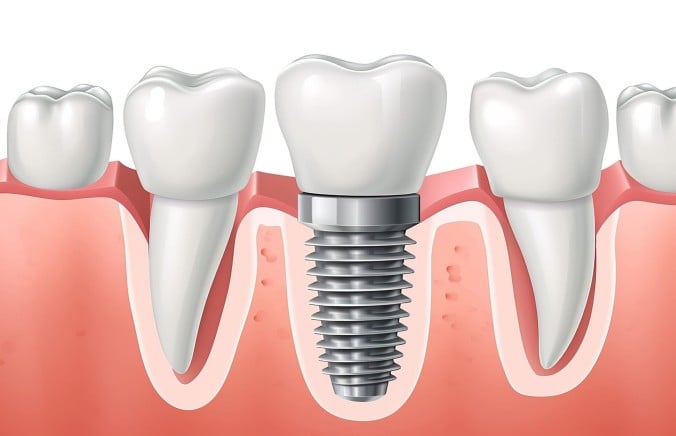
Many elderly patients face cognitive decline (such as mild cognitive impairment or dementia) or mobility issues that make it difficult to maintain the oral hygiene required for implant success. Unlike natural teeth, implants require consistent, gentle cleaning to prevent plaque buildup and infection—but seniors with cognitive or physical limitations may struggle to brush, floss, or use specialized cleaning tools like water flossers.
A 2024 study in the Journal of Dental Geriatrics found that seniors with mild cognitive impairment have a 2.5 times higher risk of peri-implantitis than those with normal cognitive function. This is because they often forget to brush or floss regularly, or they do not clean around the implant properly. For seniors with dementia, the risk is even higher—many require assistance from caregivers to maintain oral hygiene, and if that assistance is not provided, implants quickly develop complications.
Mobility issues, such as arthritis or Parkinson’s disease, also pose a challenge. Seniors with limited dexterity may struggle to hold a toothbrush or floss, leading to inadequate cleaning. A 2026 survey of geriatric dental patients found that 42% of seniors with mobility issues reported difficulty cleaning their implants, and 31% admitted to skipping daily oral care entirely. This lack of care leads to plaque buildup, inflammation, and eventually, implant failure.
Caregivers play a critical role in mitigating these risks, but many are not trained in implant care. A 2025 study in the Journal of Gerontological Nursing found that 68% of caregivers of elderly implant patients did not know how to properly clean implants, and 57% were unaware of the signs of infection. This knowledge gap puts seniors at risk—even if the implant surgery is successful, poor postoperative care can lead to failure.
Advertisement
Advertisement
Tips For Getting Free Dental Work
1. Be prepared to provide documentation of your income and place of residence.
Many free dental clinics require patients to provide proof of income and residence in order to qualify for services.
2. Call ahead to schedule an appointment.
Most free dental clinics require patients to make an appointment in advance.