Tooth KnowLedge
What risks should diabetic patients be aware of when getting dental implants?
15mins Read
Last Updated :Advertisement
Intraoperative and Postoperative Care: Minimizing Risks During and After Surgery
Even with proper pre-implant preparation, diabetic patients require specialized intraoperative and postoperative care to minimize risks. During surgery, dentists should use minimally invasive techniques to reduce tissue trauma, which helps speed up healing and reduce the risk of infection. The surgical team should also monitor the patient’s blood sugar levels throughout the procedure, especially if the patient takes insulin, to prevent hypoglycemia.
Antibiotic prophylaxis is often recommended for diabetic patients to reduce the risk of post-surgical infection. According to guidelines from the American Dental Association (ADA), diabetic patients with poorly controlled blood sugar or a history of infections should receive antibiotics before implant surgery. Common antibiotics used include amoxicillin or clindamycin (for patients with penicillin allergies), administered 1 hour before surgery. Additionally, strict sterile techniques are essential to prevent bacterial contamination of the surgical site.
Postoperative care is critical for diabetic patients, as the healing period is longer and more prone to complications. Patients should be instructed to monitor their blood sugar levels closely—ideally three times a day for the first week after surgery—and to contact their physician if blood sugar levels become unstable. Oral care instructions should include gentle cleaning of the implant site with a soft-bristled toothbrush and a chlorhexidine mouthwash to reduce bacterial growth. Patients should also avoid smoking, as smoking significantly increases the risk of implant failure and infection in diabetic patients. Follow-up appointments should be scheduled more frequently than for non-diabetic patients—typically 1 week, 1 month, 3 months, and 6 months after surgery—to monitor healing and implant stability.
Long-Term Maintenance: Protecting Implant Health for Years to Come
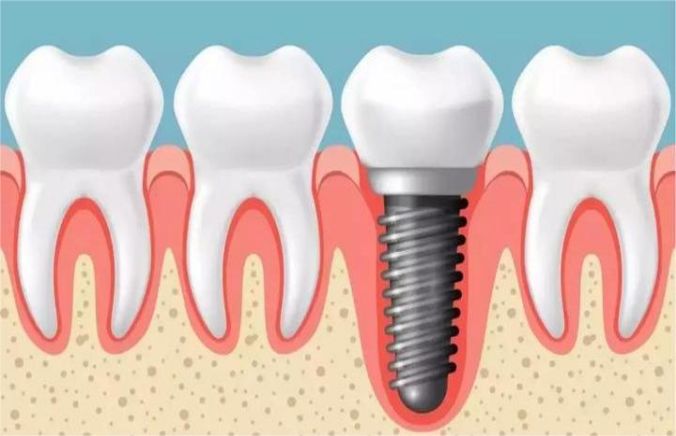
For diabetic patients, long-term maintenance is key to ensuring the longevity of dental implants. Even if the implant heals successfully, the ongoing effects of diabetes—such as chronic inflammation and immune dysfunction—increase the risk of peri-implantitis and implant failure over time. Regular dental check-ups and professional cleanings are essential, as they allow the dentist to monitor the implant site for signs of inflammation or bone loss.
Dental professionals recommend that diabetic patients with implants receive professional cleanings every 3 months, compared to every 6 months for non-diabetic patients. These cleanings focus on removing plaque and tartar from around the implant, which can trigger peri-implantitis if left untreated. Additionally, patients should be taught proper at-home oral hygiene techniques, such as using a water flosser to clean between the implant and surrounding teeth, as traditional floss may damage the implant’s soft tissue attachment.
Maintaining good blood sugar control is also critical for long-term implant health. A 2024 study published in PMC found that diabetic patients who maintained an HbA1c level below 7% had a 96.1% 5-year implant survival rate, compared to 87.3% in patients with higher HbA1c levels. Patients should work with their endocrinologist to develop a long-term diabetes management plan that includes regular blood sugar monitoring, medication adherence, a healthy diet, and regular exercise. Additionally, patients should notify their dentist immediately if they notice any signs of peri-implantitis, such as red, swollen gums, bleeding, or implant loosening, as early intervention can prevent further damage and save the implant.
Advertisement
Advertisement
Tips For Getting Free Dental Work
1. Be prepared to provide documentation of your income and place of residence.
Many free dental clinics require patients to provide proof of income and residence in order to qualify for services.
2. Call ahead to schedule an appointment.
Most free dental clinics require patients to make an appointment in advance.