Tooth KnowLedge
How does tartar form? What are the consequences of neglecting it?
20mins Read
Last Updated :Advertisement
IV. Properly Dealing with Tartar: How to Protect Oral Health
Many people will ask at this point, "What should I do if tartar has already formed?" Actually, the core of dealing with tartar boils down to two words: prevention + cleaning. Only by taking a two-pronged approach can the problem be fundamentally solved.
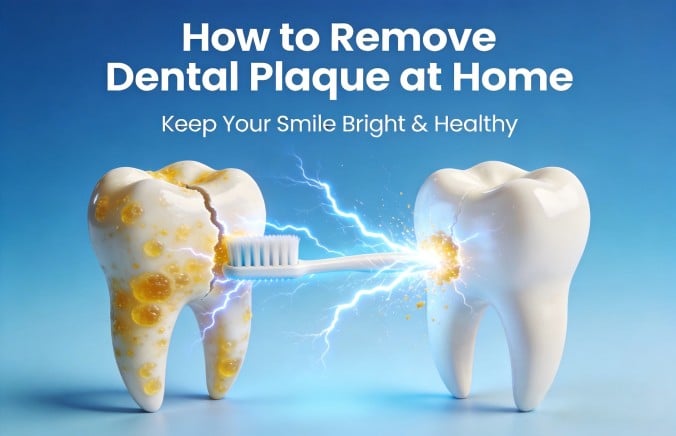
First, focus on daily prevention to reduce tartar buildup. Brush your teeth twice a day, morning and night, for at least 3 minutes each time, using a soft-bristled toothbrush and fluoride toothpaste. Use the "Bass brushing technique," holding the brush at a 45-degree angle to your teeth, gently cleaning the tooth surface and gum line, ensuring every surface of every tooth is cleaned. Rinse your mouth after meals to remove food debris. Use dental floss or a water flosser daily to clean between your teeth and prevent plaque buildup. Reduce your intake of sugary and sticky foods, limit strong tea and coffee, and quit smoking and limit alcohol consumption. Have regular dental checkups, at least once a year, to detect potential oral health problems early.
Second, timely removal of existing tartar is crucial, and regular professional cleaning is key. As mentioned earlier, once tartar forms, regular brushing and flossing are insufficient; professional cleaning is necessary. Professional cleaning uses ultrasonic vibrations to gently remove tartar and plaque from the tooth surface and below the gum line without damaging the enamel, making it the safest and most effective method for tartar removal.
It's recommended to have your teeth cleaned every 6-12 months. This not only removes tartar but also cleans surface stains, restoring your teeth to a bright white. It also allows your dentist to check your oral health, detect gum and dental problems early, and intervene promptly to prevent small issues from becoming major problems. Many people worry that teeth cleaning will widen gaps between their teeth or loosen them, but this is a misconception. The feeling of wider gaps after cleaning is because gaps previously filled with tartar are now exposed, which is a sign of healthy gums. Long-term neglect of cleaning leads to gum recession and widened gaps.
Finally, it's important to reiterate: tartar is not just a "small speck of dirt," but a "hidden killer" of oral health. Its formation is inseparable from our neglect, and its harm far exceeds our imagination. Don't ignore it just because it doesn't hurt or look bad, and don't think you can get away with it by delaying treatment. Developing good oral hygiene habits, getting regular teeth cleaning, and promptly removing tartar are essential to protecting the health of your gums and teeth, preventing the consequences of a small tartar deposit from leading to tooth loss and systemic diseases. May everyone value oral health, stay away from the troubles of tartar, and have a set of healthy, white teeth.
Advertisement
Advertisement
Tips For Getting Free Dental Work
1. Be prepared to provide documentation of your income and place of residence.
Many free dental clinics require patients to provide proof of income and residence in order to qualify for services.
2. Call ahead to schedule an appointment.
Most free dental clinics require patients to make an appointment in advance.