
Tooth KnowLedge
Can diabetics get dental implants?
16mins Read
Last Updated :Advertisement
Global Perspectives: Access to Implants for Diabetics Worldwide
Maintaining Implant Success: Long-Term Care for Diabetics
For diabetics, implant success does not end with surgery— long-term care is critical to ensuring the implant lasts a lifetime. The “three pillars” of long-term success are glycemic control, oral hygiene, and regular follow-up care:
1. Glycemic Control: Maintaining stable blood sugar levels is the foundation of implant success. Diabetics should monitor their HbA1c regularly (every 3-6 months), follow their endocrinologist’s recommendations for diet, exercise, and medication, and avoid sudden blood sugar spikes or drops. Even temporary hyperglycemia can increase the risk of peri-implantitis, so consistent management is key.
2. Oral Hygiene: Diabetics must be diligent about daily oral care to prevent plaque buildup and peri-implantitis. This includes brushing twice a day with a soft-bristled toothbrush and fluoride toothpaste, flossing daily to clean between the implant and natural teeth, and using an antimicrobial mouthwash (alcohol-free, to avoid dry mouth) to reduce bacteria. Regular professional cleanings (every 3-4 months) are also essential, as they remove tartar and allow dentists to monitor the implant’s health.
3. Regular Follow-Up: Diabetics with implants should have more frequent follow-up visits than non-diabetics— typically every 3-6 months for the first year, then annually. These visits include X-rays to assess bone density, exams to check for signs of inflammation or infection, and adjustments to the implant if needed. Any signs of trouble— such as red, swollen gums, bleeding, or a loose implant— should be reported to the dentist immediately.
Additionally, diabetics should avoid smoking, limit alcohol consumption, and maintain a balanced diet rich in calcium and vitamin D to support bone health. Managing stress is also important, as stress can raise blood sugar levels and impair immune function.
Advertisement
Advertisement
Tips For Getting Free Dental Work
1. Be prepared to provide documentation of your income and place of residence.
Many free dental clinics require patients to provide proof of income and residence in order to qualify for services.
2. Call ahead to schedule an appointment.
Most free dental clinics require patients to make an appointment in advance.
Dental Articles
-
-
Oral health
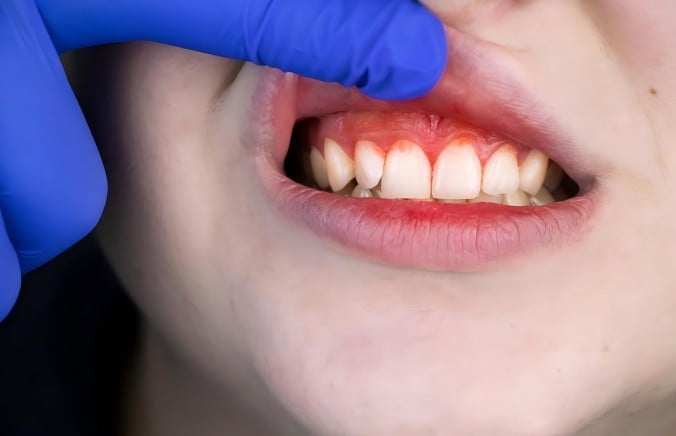
9min Read - Bleeding gums? Habits you need to change right away!
-
-

-
Oral health
15mins Read - Does Drinking Alcohol “Relax” or “Harm” Your Teeth? The Truth About Alcohol and Oral Health
-
-

-
Tooth KnowLedge
20mins Read - When is the "Best Time" to Start Brushing Your Child's Teeth? Don't Wait Until All Teeth Grow!
-
-
-
Tooth KnowLedge,Dental Implant
15mins Read - Dental implants are not a one-time fix; proper aftercare is equally crucial.
-
-

-
Tooth KnowLedge
15mins Read - Is gum recession an inevitable part of aging?
-
-
-
Tooth KnowLedge
10 mins Read - If you brush your teeth correctly, you can ask yourself from these 4 aspects.
-
-
-
Dental Implant
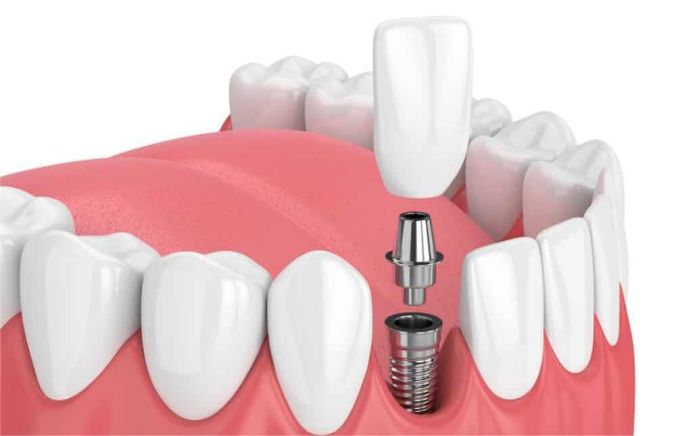
12 mins Read - Dental implant treatment options and related planning
-
-

-
Dental insurance
10 mins Read - Save money on dental care: Reveal the hidden benefits of dental insurance!
-
-
-
Oral health
12min Read - Do you know what a root canal is?
-