Tooth KnowLedge
How to Remove Dental Plaque at Home
14 mins Read
Last Updated :Advertisement
5. Daily Lifestyle Habits That Prevent Plaque Form
Plaque removal is not just about cleaning—it also involves preventing plaque from forming in the first place. These habits reduce bacterial growth and acid production.
5.1 Limit Sugar and Starchy Foods
Sugar is the primary fuel for plaque bacteria. Reduce:
Sugary drinks (soda, juice, sweetened teacoffee)
Candies, cookies, chips, and processed snacks
Sticky foods (dried fruit, caramel) that cling to teeth
Eat sweets with meals, not between meals, to reduce acid exposure.
5.2 Increase Water Consumption
Drinking water, especially fluoridated water, washes away food debris, dilutes acid, and stimulates saliva production. Saliva naturally neutralizes acid, remineralizes enamel, and fights bacteria.
5.3 Chew Sugar-Free Gum
Chewing sugar-free gum (containing xylitol) for 10–15 minutes after meals increases saliva flow, reduces plaque, and lowers cavity risk. Xylitol inhibits bacterial growth and is safe for all ages.
5.4 Avoid Tobacco and Excessive Alcohol
Tobacco use (smoking, chewing) worsens plaque buildup, stains teeth, and causes severe gum disease. Alcohol dries the mouth, reducing saliva and increasing bacterial growth.
5.5 Balanced Diet for Oral Health
Foods rich in calcium, vitamin D, phosphorus, and fiber strengthen teeth and gums:
Dairy products, leafy greens, nuts
Crunchy fruits and vegetables (apples, carrots, celery) that mechanically clean teeth while eating
6. Special Considerations: Plaque Removal for Brac
People with dental appliances require modified techniques to remove plaque effectively and prevent complications.
6.1 Braces (Fixed Orthodontic Appliances)
Plaque easily traps around brackets and wires, increasing decay and gum inflammation risk.
Use:
Soft-bristled or orthodontic toothbrushes
Interdental brushes and floss threaders
Water flossers
Brush after every meal and floss daily.
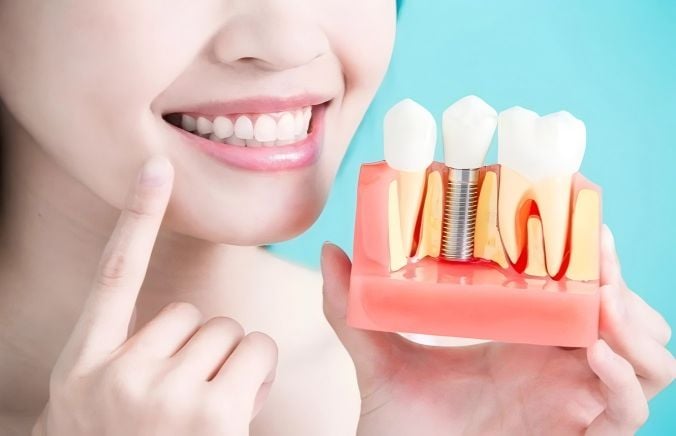
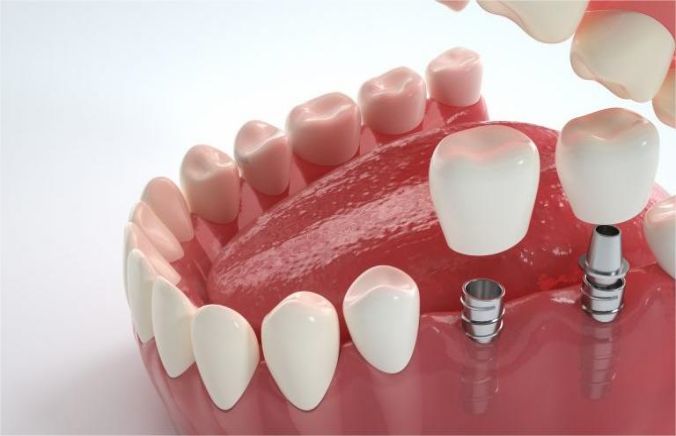
6.2 Dental Implants
Implants need gentle but thorough plaque removal to avoid peri-implantitis (gum disease around implants).
Use soft brushes, floss, and non-abrasive toothpaste. Avoid stiff tools that scratch implant surfaces.
6.3 Removable Dentures
Plaque forms on dentures as it does on natural teeth.
Remove dentures daily, brush with a soft denture brush, and soak in denture cleaner.
Clean gums and tongue with a soft brush while dentures are out.
7. When Plaque Turns to Tartar: Signs You Need Pro
Even with perfect at-home care, tartar may form over time. Recognize these signs that professional cleaning is necessary:
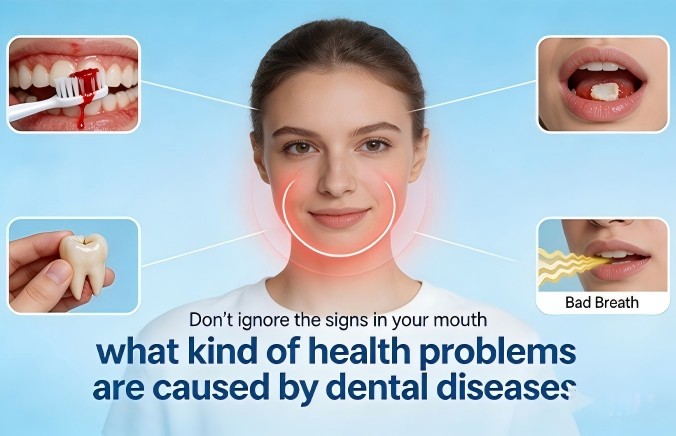
Hard, yellowbrown deposits at the gum line
Persistent bad breath that does not improve with home care
Red, swollen, or bleeding gums when brushing
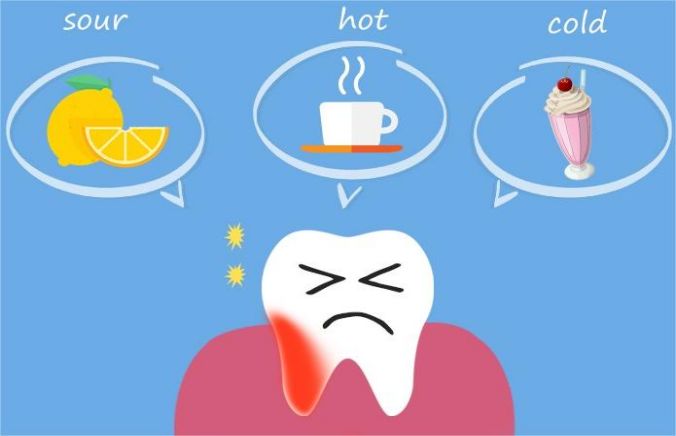
Tooth sensitivity or pain
Receding gums or loose teeth
Important note: Tartar cannot be removed at home. Attempting to scrape it with sharp tools (knives, pins, hard picks) causes enamel damage, gum cuts, infection, and severe pain. Only a dental professional should perform scaling.
Advertisement
Advertisement
Tips For Getting Free Dental Work
1. Be prepared to provide documentation of your income and place of residence.
Many free dental clinics require patients to provide proof of income and residence in order to qualify for services.
2. Call ahead to schedule an appointment.
Most free dental clinics require patients to make an appointment in advance.